Author: Lastarda Lee

  • Schoolboy Football to JPL: The Pipeline Is Broken

    Schoolboy Football to JPL: The Pipeline Is Broken

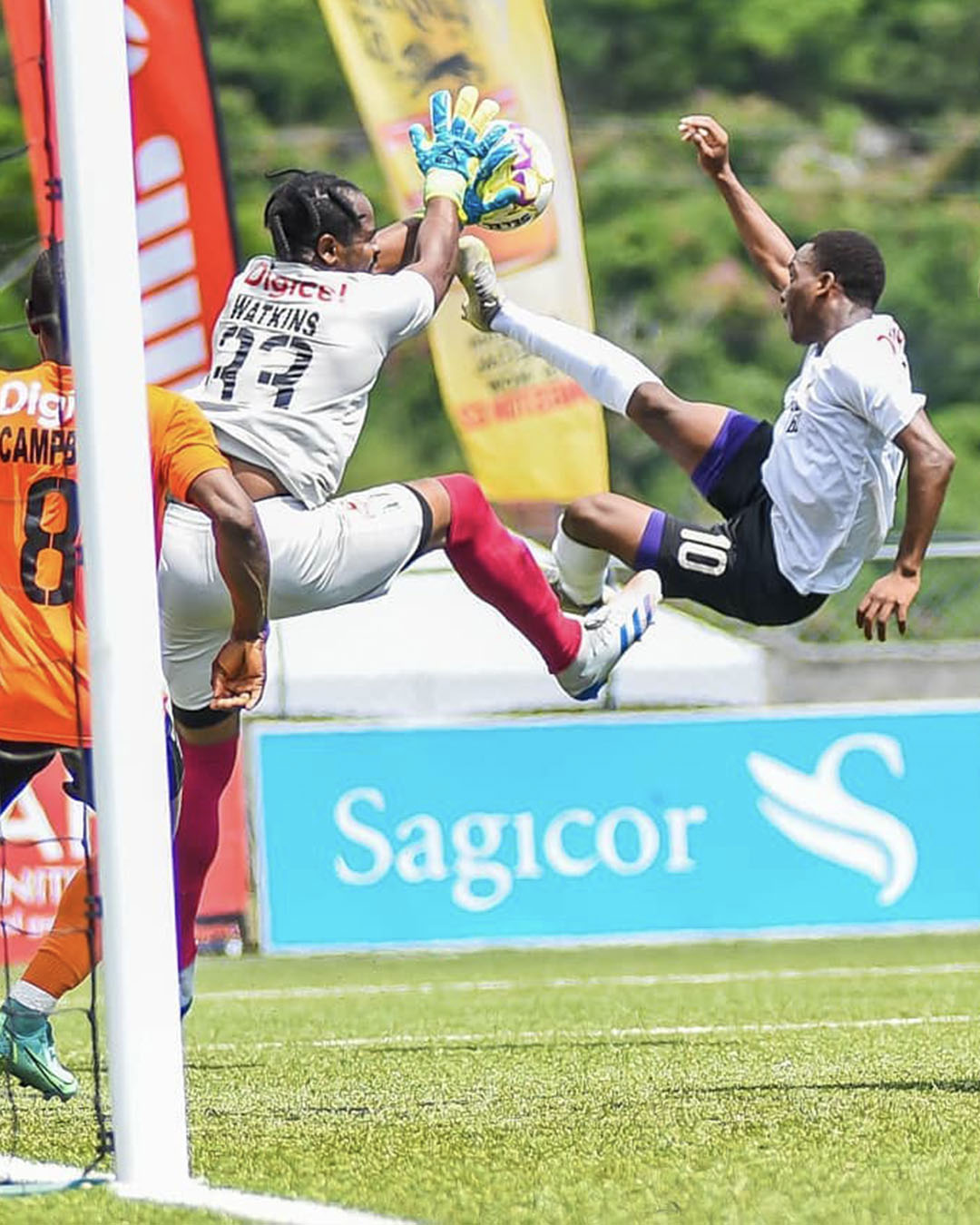
    Every January, the island loses its mind over schoolboy football. Manning Cup, DaCosta Cup, the Inter-Secondary Schools Boys and Girls Championship — the passion is real, the talent is undeniable, and the future looks bright. Then the season ends. The headlines fade. And somewhere between the final whistle of a schoolboy semifinal and the opening day of the Jamaica Premier League, we lose them.

    Not all of them. But far too many.

    The pipeline from schoolboy football to the JPL is not leaking. It is broken. And until we stop pretending otherwise, we will keep producing spectacular teenagers who become invisible adults.

    The Talent Is Not the Problem

    Let’s get this out of the way immediately: Jamaica does not have a talent deficit. Walk into any schoolboy final at the National Stadium and you’ll see things that would make European academy scouts salivate. Speed, physicality, creativity, an instinct for the ball that you cannot coach into a player — it’s either there or it isn’t. And in Jamaica, it’s there in abundance.

    The problem has never been the raw material. The problem is what happens to the raw material when there is no factory to refine it.

    Consider the numbers. Each year, schoolboy football produces dozens of standout performers across multiple competitions. Players who dominate their age groups, who attract attention from scouts, who are talked about as the next big thing. Now ask yourself: how many of those players are playing in the JPL two years later? How many are playing anywhere professionally five years later?

    The attrition rate is staggering. And it’s not because the players suddenly forgot how to play. It’s because the system they graduate into is not equipped to develop them further.

    The Coaching Gap

    Schoolboy football coaching in Jamaica is a mixed bag. Some schools — the traditional powerhouses — have dedicated, experienced coaches who understand player development. Many others rely on teachers who double as coaches, volunteers with passion but limited tactical education, or former players who coach based on instinct rather than methodology.

    That’s fine at the schoolboy level, where raw athletic ability can compensate for tactical naivety. But when a player steps into the JPL — or worse, tries to trial abroad — the gaps in their development become glaring. Positional discipline. Off-the-ball movement. Decision-making under pressure. Tactical awareness in different formations. These are not luxuries. These are the baseline requirements of professional football anywhere in the world.

    The coaching quality gap between schoolboy football and the JPL is enormous. And there is virtually no bridging mechanism — no structured academy system, no development league, no intermediate stage where an 18-year-old can go to receive the coaching that will turn natural talent into professional competence.

    The Infrastructure Deficit

    You cannot develop professional footballers on pitches that would embarrass a Sunday league in any other country. Full stop. And yet that is exactly what the JPL asks its clubs to do.

    The facilities available to most JPL teams are inadequate by any reasonable standard. Training grounds with uneven surfaces. No gym facilities. No video analysis rooms. No sports science support. No nutritional guidance. The players are expected to develop into professionals while training in conditions that professionals in other countries would refuse to work in.

    For a young player coming out of schoolboy football — already under-coached tactically — this environment does nothing to close the gap. If anything, it widens it. The critical development window between 17 and 21, when a player’s tactical brain is most receptive to coaching, is wasted.

    Compare this to what other small nations have done. Iceland — a country with a population smaller than Kingston — invested in indoor training facilities across the country and produced a generation of players who qualified for the European Championship and the World Cup. Costa Rica built a centralised academy system that consistently develops players for top European leagues. Even Trinidad and Tobago, with similar resource constraints, has invested more consistently in dedicated football development infrastructure than Jamaica has.

    The Track and Field Question

    Here’s the part nobody wants to talk about. Every year, the schoolboy football pipeline loses some of its best athletes not to football at all, but to track and field. And can you blame them?

    Track and field in Jamaica has a clearly defined pathway: Champs to national championships to international meets to professional contracts or American college scholarships. The incentive structure is visible and functional. A fast 16-year-old sprinter can look ahead and see exactly how to turn speed into a career.

    A talented 16-year-old footballer in Jamaica looks ahead and sees… what, exactly? The JPL, where wages barely cover transportation costs? The hope of a trial abroad, arranged through informal connections rather than any systematic scouting network? The dream of a scholarship to an American college, which usually means playing in a system that bears no resemblance to professional football?

    The rational choice for a multi-sport athlete in Jamaica is almost always track and field. The pathway is clearer, the financial upside is greater, and the support system actually exists. Football loses talented athletes not because they don’t love the sport, but because the sport hasn’t built a structure that makes choosing it a viable career decision.

    What Small Nations Have Done Right

    The solutions are not mysterious. They exist. Other nations with similar or smaller populations and comparable economic constraints have implemented them successfully.

    Iceland’s model: Invest in coaching education first. Iceland trained hundreds of UEFA-licensed coaches and put them in schools and community clubs. The result was a dramatic improvement in the technical and tactical quality of young players before they even reached the professional level. Jamaica could adopt a similar approach — targeted investment in coaching education, with the goal of having at least one qualified coach in every major schoolboy programme.

    Belgium’s model: A centralised technical philosophy that runs from youth development to the senior national team. Every coach at every level teaches the same principles, the same formations, the same style of play. Players moving through the system don’t have to relearn football at each stage. They build on a consistent foundation. Jamaica’s football federation could define a national playing philosophy and ensure it’s implemented from schoolboy level through the JPL and into the Reggae Boyz setup.

    Costa Rica’s academy system: A dedicated national academy that identifies the most talented young players and provides them with full-time professional development — coaching, education, nutrition, sports psychology — from age 14 onwards. This is the bridge that Jamaica is missing. A national academy, even a modest one, would catch the best schoolboy players at the point where they currently fall through the cracks.

    The Money Question

    All of this requires money. And Jamaica is not a wealthy country. But the argument that we can’t afford to invest in football development is undermined by two realities. First, we clearly can afford to invest in track and field, and we do — with spectacular results. The resources exist; they’re just allocated differently. Second, the cost of not investing is paid in lost potential, lost export revenue from player transfers, and a national team that consistently underperforms relative to the talent available on the island.

    A single Jamaican player succeeding at a top European club generates more revenue through transfer fees and visibility than the entire JPL budget. The investment case is not just emotional — it’s economic.

    Fix It or Stop Pretending

    Every year, we go through the same cycle. Schoolboy football produces excitement. We celebrate the talent. We talk about the future. And then we watch that future dissolve because there is no pathway to catch it.

    The pipeline is broken. It has been broken for decades. And patching it with good intentions, sporadic initiatives, and the occasional viral clip of a schoolboy wonder goal is not going to fix it.

    What will fix it is infrastructure, coaching education, a national academy, and a JPL that pays its players enough to make football a viable career. None of this is impossible. Other nations have done it with less. But it requires a level of commitment and sustained investment that Jamaica’s football leadership has never demonstrated.

    So here is the challenge: fix it. Build the pipeline. Give those schoolboy stars a path that doesn’t dead-end at 19. Or stop pretending that we care about developing Jamaican footballers, because right now, the system says we don’t.

  • Why the EPL Is Still King — And What Threatens Its Throne

    Why the EPL Is Still King — And What Threatens Its Throne

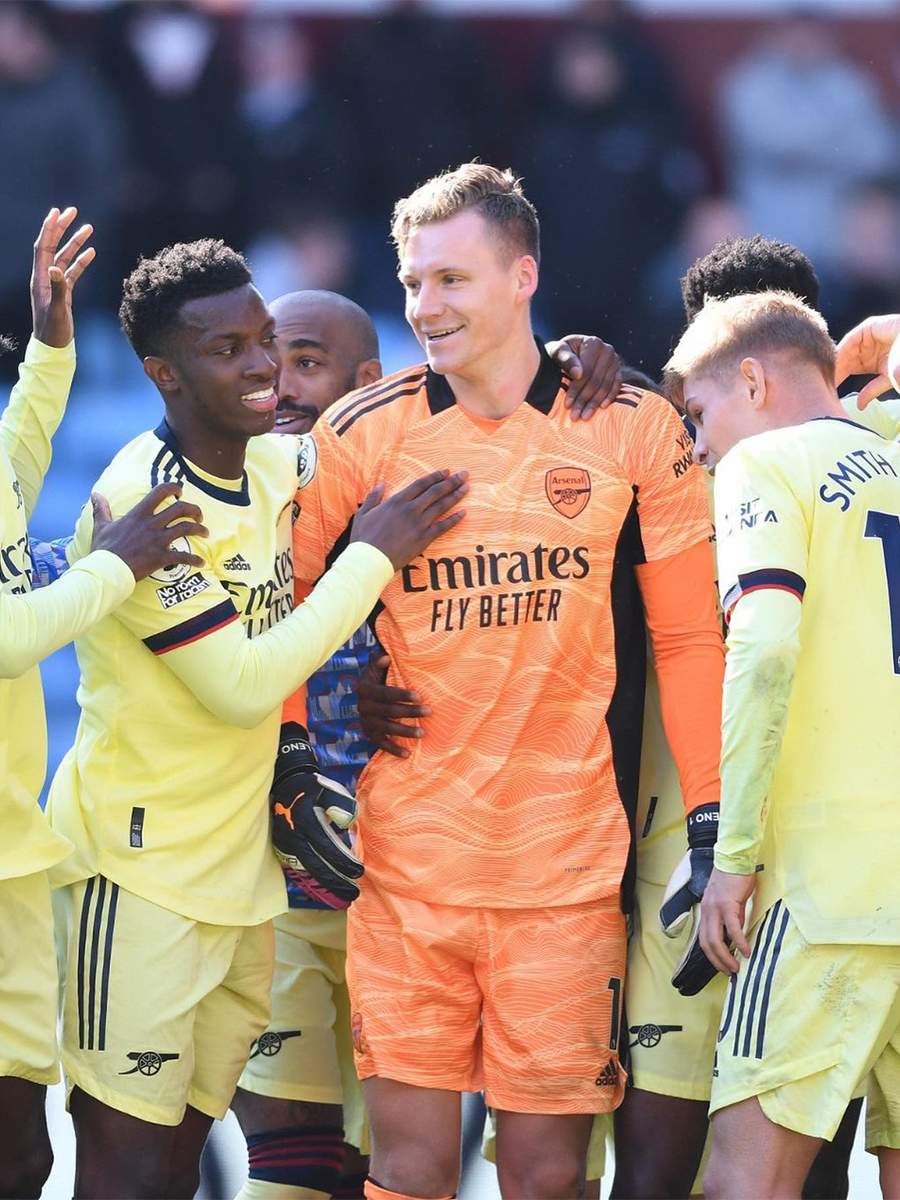
    Turn on your television on a Saturday morning in Kingston, or Montego Bay, or Mandeville, and you’ll see the same thing in every bar, every barbershop, every living room with a screen. The Premier League. Not La Liga. Not Serie A. Not the Bundesliga. The English Premier League, broadcasting its drama into every corner of the globe with a reach that no other domestic football league comes close to matching.

    In Jamaica, the EPL isn’t just popular. It’s embedded. Arsenal and Manchester United jerseys outnumber Reggae Boyz shirts on the street. Children grow up knowing the Premier League table before they learn parish capitals. The league’s grip on the Jamaican sports consciousness — and indeed the global sports consciousness — is so total that it feels permanent.

    But nothing in football is permanent. And for the first time in the EPL’s modern era, there are genuine threats to its throne. The question is whether any of them are serious enough to topple it.

    The Revenue Machine

    Understanding the EPL’s dominance starts with understanding its economics. The league’s broadcasting deals are staggering — generating billions in domestic and international television revenue that dwarfs what any other league can command. This revenue flows down to clubs in a relatively equitable distribution model, which means even the league’s smaller clubs are wealthy by international standards.

    This financial structure creates a self-reinforcing cycle. More money attracts better players. Better players create more compelling football. More compelling football drives higher viewership. Higher viewership commands larger broadcasting deals. And the cycle continues.

    The genius of the Premier League model is that it monetised unpredictability. In Spain, two or three clubs dominate. In Germany, one club has won the league almost every year for over a decade. In France, the story is similar. But in England, any team can beat any other team on any given weekend. That competitive balance — whether real or perceived — is the product the EPL sells, and the global market is buying.

    Threat #1: The Saudi Pro League

    When Saudi Arabia began pouring sovereign wealth into its domestic football league, the initial reaction from the EPL establishment was dismissive. A vanity project. A retirement league. A flash in the pan.

    That dismissal was premature. The Saudi Pro League has demonstrated a willingness to spend at levels that even the wealthiest Premier League clubs cannot match, backed by state resources that are effectively limitless. The league has attracted marquee names and shows no signs of slowing down its investment.

    But does Saudi money genuinely threaten the EPL? The answer is nuanced. The Saudi league can outbid individual clubs for individual players. It can offer tax-free salaries that make a Premier League contract look modest by comparison. What it cannot yet offer is the competitive environment, the global broadcasting audience, or the cultural prestige that the EPL provides.

    For now, the Saudi league functions as a talent drain at the margins — primarily attracting players in their late careers or those who prioritise financial reward over competitive legacy. The day it starts attracting 25-year-old players at the peak of their careers, choosing Riyadh over London or Manchester without hesitation — that’s when the EPL should worry. And that day is closer than most people in English football would like to admit.

    Threat #2: La Liga’s Quiet Resurgence

    Spanish football has spent the last several years in an identity crisis. The Messi-Ronaldo era that made El Clasico the most-watched club football event on earth ended, and La Liga’s global profile dipped noticeably. The league’s broadcasting revenue fell behind the EPL’s, and the gap between Barcelona and Real Madrid and the rest of the league remained a structural weakness.

    But write off La Liga at your peril. Spanish football has arguably the deepest coaching culture in the world. Its youth development systems — from La Masia to Villarreal’s academy to the network of smaller clubs that consistently produce technically elite players — remain the gold standard. And the Spanish national team’s continued success at international tournaments demonstrates that the talent pipeline is healthy.

    La Liga’s challenge is not quality. It’s distribution. The league needs to solve its competitive balance problem and its broadcasting revenue gap with the EPL. If it does — and there are signs that reforms are underway — it has the football quality to compete for global attention.

    Threat #3: MLS and the American Football Project

    The most underestimated long-term threat to the EPL’s global dominance might be MLS. Not because MLS is a better league — it isn’t, and won’t be for some time. But because the United States represents the largest untapped football market in the world, and American sports business infrastructure is arguably the most sophisticated on the planet.

    When American media companies, sports franchises, and tech platforms fully commit to growing domestic football — and they are committing, steadily and strategically — the implications for the global football economy are profound. American clubs have already begun building academies, signing younger international talent, and investing in the kind of content production and digital engagement that the EPL currently leads.

    The EPL’s advantage in America has always been that it filled a void. Americans who wanted high-quality club football watched the Premier League because there was no compelling domestic alternative. As MLS improves — and it is improving, year by year — that advantage erodes. It won’t happen overnight. But the trajectory is clear.

    Threat #4: The Broadcasting Bubble

    Here’s the threat that the EPL would prefer you didn’t think about too carefully. The league’s entire economic model depends on broadcasting revenue growing — or at least maintaining — with each new cycle. But the media landscape is fragmenting. Traditional television viewership is declining globally. Streaming platforms are competing aggressively for sports rights, but their willingness to pay the premiums that linear broadcasters have historically paid is not guaranteed.

    The next EPL broadcasting cycle will be a critical test. If revenue plateaus — or worse, declines — the economic engine that powers the league’s dominance will sputter. Clubs that have built their financial models on the assumption of ever-increasing broadcast income will face painful adjustments. And the competitive balance that makes the EPL unique will be threatened as wealthier clubs pull further ahead of those more dependent on shared television revenue.

    This is not a distant hypothetical. The broadcasting market is shifting now. And the EPL’s position, while strong, is not immune to the same forces disrupting media economics everywhere else.

    What Keeps the EPL on Top

    Despite all of these threats, the EPL retains advantages that are extraordinarily difficult to replicate.

    Cultural infrastructure. English football stadiums, traditions, and fan culture provide an atmosphere and authenticity that newer leagues simply cannot manufacture. You can build a state-of-the-art stadium in Riyadh. You cannot build Anfield’s history or Old Trafford’s aura.

    Time zone advantage. The EPL plays at times that are accessible to audiences in Europe, Africa, Asia, and the Americas. This is a geographical accident, but it’s a significant competitive advantage in a global broadcasting market. Jamaican fans can watch live matches at reasonable hours — not so with most Asian league fixtures.

    The English language. The global dominance of English as a media language gives the EPL a natural advantage in content production, social media engagement, and cultural penetration. Players, managers, and pundits communicate in the world’s most widely spoken second language.

    Competitive unpredictability. This remains the EPL’s killer feature. In a given season, the league champion might be decided on the final day. Relegation battles are dramatic. Mid-table clubs can beat title contenders on any given weekend. This manufactured chaos is addictive viewing, and no other major league produces it as consistently.

    The Verdict from Yard

    Here in Jamaica, the EPL’s dominance feels unshakeable. It’s woven into our sporting culture in a way that goes beyond mere preference — it’s tribal. Families are divided by club allegiances that are passed down through generations. The idea that Jamaicans might one day stop watching the Premier League feels absurd.

    But dominance is not destiny. The EPL sits on a throne built on broadcasting revenue, competitive balance, and cultural prestige. All three are under pressure from forces that are real, measurable, and accelerating. The league is still king. But kings who assume they’ll reign forever tend to be the ones who lose their crowns.

    The smartest thing the EPL can do is behave as if the threats are real — because they are. And the next five years will determine whether the Premier League adapts and extends its reign, or whether it becomes the latest chapter in football’s long history of empires that believed they were too big to fall.

  • Football: Tradition vs Evolution — The Tactical Debate in 2026

    Football: Tradition vs Evolution — The Tactical Debate in 2026

    There is a war happening in football, and most fans don’t even realise they’re watching it. It plays out in every Champions League match, every tactical press conference, every post-match analysis segment. On one side: tradition — the belief that football is an art form, built on individual brilliance, creative freedom, and the kind of magic that cannot be reduced to a spreadsheet. On the other: evolution — the conviction that data, structure, and tactical innovation are the keys to winning, and that romanticism is just another word for losing.

    In 2026, this tension has reached a breaking point. And the Champions League — football’s most prestigious club competition — is the arena where the battle is most visible.

    The Death of the Number 10

    If you want a symbol of what football has lost — or evolved past, depending on your perspective — look no further than the classic number 10 role. The playmaker. The artist. The player who operated in the space between midfield and attack, who saw passes that nobody else could see, who created something from nothing with a touch of genius.

    This player barely exists anymore at the highest level. The modern game has squeezed out the space that the number 10 thrived in. High pressing systems leave no room for a player who doesn’t contribute defensively. Compact defensive blocks eliminate the pockets of space where the playmaker used to operate. And analytics departments have identified — correctly — that a player who only contributes in the final third is a luxury that most teams cannot afford.

    The result? The number 10 has been replaced by the number 8 — a box-to-box midfielder who can press, tackle, carry the ball, and arrive late in the box. More useful. More versatile. More predictable. And, if we’re being honest, less magical.

    Watch the Champions League knockout rounds and count the classic playmakers. Not the hybrid 8/10s who have adapted their games to survive. The pure 10s. The players who exist solely to create. They are vanishing. And with them, something essential about what made football beautiful is vanishing too.

    The Rise of the Inverted Everything

    Modern tactical innovation has become obsessed with inversion. Inverted full-backs who tuck into midfield instead of overlapping. Inverted wingers who cut inside rather than delivering crosses. Centre-backs who step into midfield with the ball. Goalkeepers who function as auxiliary defenders.

    The logic is sound. Inversion creates numerical superiority in key areas of the pitch. It makes a team harder to press because players appear in unexpected positions. It generates passing angles that traditional formations don’t provide. On paper — and increasingly, on the pitch — it works.

    But there’s a cost. When every team inverts everything, the tactical landscape becomes homogeneous. Champions League matches that should feel like clashes of distinct footballing philosophies start to look remarkably similar. Both teams press high. Both teams play out from the back. Both teams invert their full-backs. Both teams want to dominate possession in the half-spaces. The tactical templates converge, and individuality — both of teams and of players — gets flattened.

    Some of the most memorable Champions League moments in history came from stylistic clashes. The directness of a counter-attacking team dismantling a possession-based side. The chaos of a team that refused to play the way its opponent wanted. In 2026, those clashes are becoming rarer. Everyone has read the same playbook. And the playbook is winning.

    The Analytics Revolution

    Every top club now has an analytics department. Most have multiple. Data scientists sit alongside scouts, coaches, and sports psychologists in a decision-making apparatus that would have been unthinkable even a decade ago. Expected goals, expected assists, progressive carries, pressing triggers, defensive action zones — the vocabulary of modern football is increasingly mathematical.

    And the results are real. Teams that have embraced analytics have gained measurable competitive advantages. Recruitment has improved — clubs are finding undervalued players in markets that traditional scouting would never have identified. Tactical preparation has become more granular, with coaches able to identify specific opposition weaknesses and design game plans to exploit them. In-game decision-making is informed by real-time data that can shift tactical approaches within minutes.

    The question isn’t whether analytics works. It does. The question is whether what it produces is football in any meaningful sense — or whether it’s something else entirely. A sport optimised for efficiency rather than expression. A competition of systems rather than individuals. A game where the most important person in the building isn’t the player on the pitch but the analyst in the press box.

    The Soul Question

    Here’s where it gets uncomfortable. Football’s global appeal has never been primarily about efficiency. People don’t pack stadiums and wake up at odd hours to watch optimised systems execute pre-programmed pressing triggers. They come for the moments. The unexpected. The brilliant individual act that defies tactical structure. The goal that shouldn’t have been possible. The player who does something no coaching manual ever described.

    If football fully surrenders to the analytics revolution — if every decision, every selection, every tactical choice is filtered through a data model — does it lose the thing that made it the world’s most popular sport in the first place?

    This isn’t nostalgia for nostalgia’s sake. It’s a genuine concern about the product. The Champions League final should feel like the biggest event in club football. It should produce magic. If it instead produces two highly optimised systems cancelling each other out for 90 minutes of controlled, low-risk football — which has happened more than once in recent years — then the sport has a problem.

    The Caribbean Perspective

    In Jamaica and across the Caribbean, football culture has always leaned toward the traditional side of this debate. We celebrate flair. We celebrate the unexpected. The player who tries something outrageous — a stepover, a backheel, a shot from an impossible angle — is a hero, not a liability. Our footballing DNA is closer to Brazil than Germany, closer to expression than optimisation.

    But even here, the tactical evolution is seeping in. JPL coaches are talking about pressing triggers. Reggae Boyz managers are implementing structured build-up play. Schoolboy teams that once played entirely on instinct are being drilled in positional play. The evolution isn’t confined to European boardrooms. It’s global.

    The challenge for Caribbean football — and for football everywhere — is finding the balance. Tactical sophistication without sacrificing individual expression. Data-informed decisions without data-determined identity. Structure that enables creativity rather than smothering it.

    Where This Goes

    The tactical debate in 2026 doesn’t have a winner. Both sides are right about some things and wrong about others. Tradition without evolution is stubbornness that loses matches. Evolution without tradition is efficiency that loses audiences.

    The best teams in this year’s Champions League will be the ones that solve this tension — that use analytics and tactical innovation as tools to enhance what their players can do, rather than as straitjackets that dictate what they’re allowed to do. The clubs that trust their data and their talent. That build systems flexible enough to accommodate individual brilliance rather than systems that view individual brilliance as a threat to the model.

    Football has survived every revolution it’s ever faced — the offside rule, the back-pass rule, the introduction of substitutes, the Bosman ruling, the financial explosion. It will survive the analytics revolution too. But it will only survive as the sport we love if the people running it remember that football’s power was never about efficiency.

    It was always about the moment you didn’t see coming. And if we optimise that out of the game, we’ll have a very efficient product that nobody wants to watch.

  • Has the Ballon d’Or Lost Its Meaning?

    Has the Ballon d’Or Lost Its Meaning?

    The Ballon d’Or used to mean something simple: this is the best footballer on the planet. One name. One trophy. No debate. Or at least, the debate was contained — the kind of argument you’d have in a barbershop or a bar, passionate but ultimately respectful of the award’s authority.

    That authority is gone. And honestly? It might not be coming back.

    The post-Messi-Ronaldo era has exposed something that their dominance papered over for nearly two decades: the Ballon d’Or’s methodology is fundamentally flawed, its biases are structural, and the entire concept of naming a single best player in the world’s most complex team sport may be an exercise in absurdity.

    Bold claim? Maybe. But hear me out.

    The Voting System Is a Joke

    Let’s start with the mechanics. The Ballon d’Or is voted on by journalists — one selected representative from each FIFA member nation. This means a journalist from a country with no professional football league has the same voting weight as a journalist who covers the Champions League every week. A voter who watches three matches a month has the same influence as one who watches three matches a day.

    The result is a voting pool that is wildly inconsistent in its knowledge base, its access to matches, and its analytical framework. Some voters are among the most respected football journalists in the world. Others are, charitably, making educated guesses based on reputation and highlights.

    This system was tolerable when the answer was obvious. When Messi or Ronaldo was clearly the best player in the world — which was the case for most years between 2008 and 2023 — the flaws in the voting didn’t matter much. The right answer was so apparent that even an imperfect process would arrive at it.

    But now? Now the margins between the top candidates are razor-thin. The difference between the winner and the fifth-place finisher might be a matter of subjective preference, positional bias, or which tournament happened to fall in the voting window. In a close race, the system’s flaws aren’t minor inconveniences. They’re determinative.

    The Champions League Obsession

    There is an unwritten rule in Ballon d’Or voting that has become so consistent it might as well be carved in stone: if you win the Champions League and perform well in the knockout rounds, you’re the frontrunner. If you don’t, good luck.

    This creates a perverse incentive structure. A midfielder who dominates his domestic league, plays 50 outstanding matches, and carries his team to a title — but whose Champions League campaign ends in the quarterfinals — will almost certainly lose to a player who had a good Champions League run, even if his overall body of work across the season was less impressive.

    The Champions League is a cup competition. By nature, it involves randomness — the luck of the draw, referee decisions in single moments, injuries at critical times. Basing the sport’s most prestigious individual award heavily on performance in a tournament where variance is inherent is a methodological problem that the award has never seriously addressed.

    It also creates a geographic bias. Players in leagues that are guaranteed multiple Champions League spots have more opportunities to produce the kind of showcase performances that catch voters’ eyes. A brilliant player in the Eredivisie, the Primeira Liga, or the Scottish Premiership is structurally disadvantaged before a ball is even kicked.

    Can You Even Award Individual Excellence in a Team Sport?

    This is the deeper question that the Ballon d’Or doesn’t want to confront. Football is the most team-dependent of all major sports. A brilliant striker needs service from creative midfielders. A dominant midfielder needs a defensive structure that gives him freedom. A goalkeeper’s statistics are as much a reflection of the defence in front of him as his own ability.

    No player operates in isolation. And yet the Ballon d’Or asks voters to pretend that they do — to extract an individual performance from its team context and compare it against other individual performances in entirely different team contexts.

    How do you compare a forward who scores prolifically in a dominant team that creates dozens of chances per game with a midfielder who transforms a mediocre team into a competitive one through sheer force of will? How do you weigh a defender’s contribution — inherently less visible, less statistical, less glamorous — against an attacker’s goal tally?

    The honest answer is: you can’t. Not objectively. Not fairly. The Ballon d’Or pretends otherwise, and the result is an award that reflects narrative momentum and positional bias more than any coherent evaluation of individual excellence.

    The Narrative Problem

    Football media runs on narratives. Redemption arcs. Breakout seasons. Underdog stories. Dynasty confirmations. These narratives are compelling — they’re what make football coverage engaging and emotional. But they have no business influencing who wins the Ballon d’Or.

    And yet they clearly do. Voters are human. They’re susceptible to the same storytelling instincts that drive coverage. A player whose season fits a neat narrative — the comeback, the unexpected triumph, the new king — has an advantage over a player whose excellence is steady, consistent, and narratively boring.

    This is how you end up with results that feel wrong even as they’re announced. Not because the winner didn’t have a good season, but because the process selected for the most compelling story rather than the most excellent player. And when the award’s credibility depends on people believing it identifies the best, selecting for narrative instead undermines the entire enterprise.

    What Would Fix It?

    If the Ballon d’Or wants to remain relevant — and that’s not guaranteed — it needs structural reform. Some proposals worth considering:

    Reduce the voting pool. Instead of one journalist per FIFA nation, create a panel of expert voters — former players, coaches, and analysts who watch football at the highest level consistently. A smaller, more qualified panel would produce more informed results.

    Weight the criteria. Publish clear, specific criteria for what the award is supposed to measure. Is it the best individual performance across a full season? The most impactful player? The most statistically dominant? Pick one and stick with it. The current ambiguity allows voters to apply wildly different standards, which is why the results feel arbitrary.

    Separate by position. This is the most radical proposal, but arguably the most logical. Create separate awards for the best goalkeeper, defender, midfielder, and forward. Comparing players across positions is inherently apples-to-oranges. Separating the awards would allow genuine like-for-like comparison and would give visibility to positions that the current award systematically undervalues.

    Decouple from the Champions League. The evaluation period should be a full calendar year of football across all competitions. Domestic league performance, cup competitions, and international tournaments should all carry weight. Removing the Champions League’s outsized influence would produce a more holistic assessment.

    Or Just Admit What It Is

    There is an alternative to reform: honesty. Just admit that the Ballon d’Or is not, and never really was, a rigorous assessment of the world’s best footballer. It’s a popularity contest with a veneer of authority. An annual argument starter. A media event that generates content and conversation, which is its actual purpose.

    There’s nothing wrong with that. Awards ceremonies across every industry are, at their core, entertainment products that reward certain achievements while ignoring others based on criteria that are as much about marketing as merit. The Oscars don’t identify the best film. The Grammys don’t identify the best album. And the Ballon d’Or doesn’t identify the best footballer.

    The problem is pretending otherwise. The award’s prestige depends on the belief that it means something definitive. And in the post-Messi-Ronaldo era, when the results are contested, the methodology is questioned, and the voting patterns are scrutinised, that belief is eroding fast.

    The Bottom Line

    The Ballon d’Or hasn’t lost its meaning entirely. It still generates attention, debate, and engagement — which, for an award, is arguably the point. But the gap between what the award claims to be (the definitive recognition of the world’s best footballer) and what it actually is (a flawed, narrative-driven vote by an inconsistent panel) has never been wider.

    In the Messi-Ronaldo era, the answer was usually obvious enough that the process didn’t matter. Now the process matters. And the process isn’t good enough.

    Fix it, or watch it become football’s equivalent of a participation trophy — something everyone gets a ceremony for but nobody truly respects. The sport deserves a better way to celebrate its best. Whether the Ballon d’Or can become that, or whether it’s already too far gone, is the question that the next few years will answer.

  • Why Jamaica Needs to Invest in Field Events — Not Just Sprints

    Why Jamaica Needs to Invest in Field Events — Not Just Sprints

    Say “Jamaican athletics” and the world hears one thing: speed. The 100 metres. The 200 metres. The relays. Usain Bolt. Shelly-Ann Fraser-Pryce. Elaine Thompson-Herah. A nation of sprinters. A factory of fast.

    And that identity is earned. Jamaica has dominated sprinting at the global level for nearly two decades, producing an embarrassment of riches in the short events that remains the envy of every athletics nation on earth. No argument there.

    But here’s the thing about being known for one thing: it makes you blind to everything else. And in Jamaica’s case, the tunnel vision on sprinting has created a gaping hole in our athletics programme — one that costs us medals, opportunities, and relevance in events where we could genuinely compete if we bothered to invest.

    Field events. Long jump. Triple jump. High jump. Javelin. Shot put. Discus. The events that happen inside the track, while the cameras wait for the sprints, while the fans scroll their phones, while the federation allocates its attention and resources to the next generation of 100-metre hopefuls.

    It’s time to change that.

    The Numbers Don’t Lie

    Look at Jamaica’s medal haul from the last several global championships. Count the sprint medals. Now count the field event medals. The disparity is stark — and it isn’t because Jamaicans lack the athletic ability for field events. It’s because the system is designed to produce sprinters, and everything else is an afterthought.

    Jamaica has the athletic raw material for field events. The explosive power that produces world-class sprinters is exactly the same athletic quality that produces elite long jumpers, triple jumpers, and javelin throwers. Fast-twitch muscle fibre doesn’t care whether it’s propelling a body down a straight track or launching it off a takeoff board. The physical gifts are transferable. The infrastructure and investment are not.

    The average Jamaican high school athlete with elite speed will be identified, tracked, and developed through the sprint pathway from their first Champs appearance. The average Jamaican high school athlete with elite jumping ability or throwing potential? They’ll compete at Champs, maybe win a medal, and then… nothing. No structured development programme. No specialised coaching. No clear pathway to international competition. The system catches sprinters and lets everyone else slip through.

    What Cuba and the Bahamas Figured Out

    Cuba — a nation with a population of 11 million and severe economic constraints — has consistently produced world and Olympic champions in the high jump, triple jump, and discus. This isn’t an accident. It’s the result of deliberate investment in field event coaching, facilities, and athlete identification. The Cuban athletics system treats field events as first-class disciplines, not consolation prizes for athletes who weren’t fast enough to sprint.

    The Bahamas, with a population smaller than some Kingston neighbourhoods, has produced Olympic gold medallists across multiple athletics disciplines by refusing to put all its eggs in one event basket. The Bahamian athletics federation invests in whatever its athletes are good at, not just whatever the country is famous for.

    These examples matter because they demolish the excuses. If Cuba can produce triple jump champions under economic embargo, Jamaica — with a larger population, a better-funded athletics programme, and a stronger domestic competition structure — has no credible reason for its field event mediocrity. The talent is there. The will is not.

    The Coaching Desert

    Here’s the root of the problem: Jamaica has a critical shortage of qualified field event coaches. Sprint coaching in Jamaica benefits from a deep bench — multiple world-class coaches with decades of experience, training systems that have been refined over generations, and a competitive ecosystem where coaching quality is constantly tested and improved.

    Field event coaching? It’s sparse. Many high school athletes who compete in field events are coached by generalist track coaches who understand the basics but lack the specialised technical knowledge to develop an athlete from talented teenager to international competitor. The technical demands of events like the javelin, triple jump, or pole vault are immense — each event is essentially its own sport, with its own biomechanics, periodisation demands, and technical progressions. A sprint coach who dabbles in long jump coaching is not going to produce a world-class long jumper. Period.

    Jamaica needs to invest in coaching education specifically for field events. That means sending coaches abroad for specialised training. It means bringing in international coaches to work with the most promising athletes. It means creating coaching certification pathways that are event-specific, not generic. And it means paying field event coaches enough to make it a viable career, not a side project that supplements their real income from coaching sprinters.

    The Facility Problem

    You cannot develop javelin throwers without throwing facilities. You cannot develop high jumpers without proper landing areas and approach surfaces. You cannot develop pole vaulters without — well, without poles, a runway, a pit, and a coach who knows how to teach the event safely.

    The facilities available for field event training in Jamaica are, in most cases, woefully inadequate. Many high school athletes train on surfaces that would be considered unsafe at an American middle school. Throwing implements are often shared, old, and non-standard weight. Landing areas are worn out. Approach surfaces are uneven.

    This isn’t about building a world-class facility in every parish — though that would be nice. It’s about establishing a minimum standard. A proper field event training centre — even just one, centrally located and properly equipped — would transform the development landscape. A place where the most talented young field event athletes could train with specialised coaches on proper equipment, regularly and safely. One facility. That’s the starting point.

    The Medal Opportunity

    Here’s the pragmatic argument, for those who need one beyond principle. Field events represent some of the most achievable medal opportunities at major championships for a nation like Jamaica. The competitive depth in events like the long jump, triple jump, and javelin is — bluntly — thinner than in the sprints. The margins between a medal and eighth place are smaller. And the physical profiles required are ones that Jamaican athletes already possess.

    A Jamaican long jumper with sub-10 speed and proper technical development could challenge for medals at World Championships and Olympics. The speed is already there — speed that most field event athletes in other countries would trade five years of their career for. What’s missing is the technical refinement that turns a fast athlete into a complete jumper or thrower.

    Every quadrennial, Jamaica sends a handful of field event athletes to major championships. Most go, compete honourably, and come home without medals. Not because they lack talent, but because they’ve been denied the specialised development that their competitors in other countries received. They’re racing Ferrari engines with bicycle brakes — the power is there, but the control isn’t.

    Investing in field events isn’t about abandoning sprinting. Jamaica’s sprint programme is healthy and will continue to produce world-class athletes. This is about addition, not subtraction. About expanding the medal haul rather than relying exclusively on three or four events to carry the entire national programme.

    The Identity Expansion

    There’s a cultural dimension to this too. Jamaica’s identity as a “sprint nation” is a source of immense pride. But identities can expand without being diluted. Imagine a Jamaica that is known not just for sprinting, but for athletics broadly. A nation that produces champions in the jumps, the throws, and the sprints. That’s not a weaker identity. It’s a stronger one.

    The Kenyan model is instructive. Kenya was known for distance running — and it still is. But Kenyan athletics has expanded into sprinting, hurdles, and field events without losing its distance running identity. It just became a more complete athletics nation. Jamaica can do the same.

    The Call to Action

    To the Jamaica Athletics Administrative Association: invest in field events. Not as a side project. Not as a box-ticking exercise. As a genuine, funded, strategic priority with measurable targets and accountability.

    Build one proper field event training centre. Hire or develop five specialised field event coaches. Create a talent identification programme that scouts for jumping and throwing potential as aggressively as it scouts for sprint speed. Set a target for field event representation at major championships that goes beyond participation and aims for podium finishes.

    The talent is here. It has always been here. What’s been missing is the decision to develop it. Make the decision. The medals will follow.

    Jamaica is more than sprints. It’s time our athletics programme reflected that.

  • Cricket in Jamaica: A Sport Fighting for Its Next Generation

    Cricket in Jamaica: A Sport Fighting for Its Next Generation

    Drive through any parish in Jamaica on a Saturday afternoon and you’ll see football. On almost every open field, every school yard, every patch of flat-ish grass between buildings, there are kids playing football. It’s the default. The automatic choice. The thing Jamaican youth do when they have a ball and some free time.

    Now try to find a cricket match.

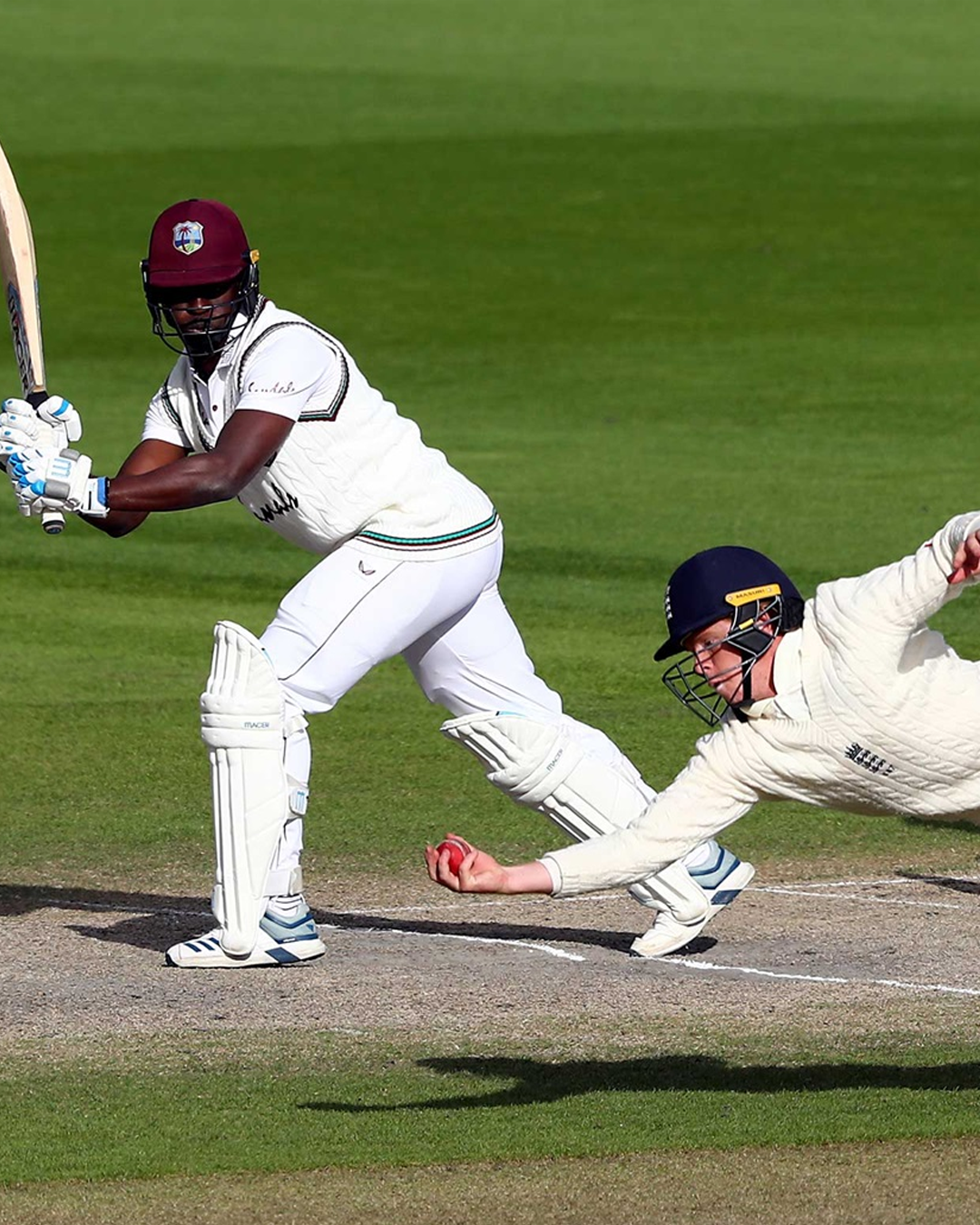
    You’ll find them, if you look hard enough. In certain schools that still carry the tradition. In parish competitions that run on the dedication of a few tireless volunteers. In clubs that have been around for decades, their membership aging but their commitment unshaken. Cricket in Jamaica hasn’t disappeared. But it has retreated — from the mainstream to the margins, from the front page to a footnote, from something every child played to something most children have never tried.

    This is a feature story about what’s happening at the grassroots of Jamaican cricket. Not the West Indies team. Not the CPL. Not international rankings or ICC politics. The ground level. The schools and clubs and parish grounds where the next generation of Jamaican cricketers should be developing — and mostly isn’t.

    The Schools: Where It Starts (and Often Ends)

    Cricket in Jamaica’s schools has contracted dramatically over the past two decades. Schools that once fielded competitive cricket teams have dropped the sport entirely, redirecting their limited sports budgets toward football and track and field — sports that offer more visible pathways to scholarships, national representation, and professional careers.

    The Manning Cup and DaCosta Cup in football, and Inter-Secondary Schools Boys and Girls Championships (Champs) in track and field, dominate the Jamaican school sports calendar. They attract media coverage, corporate sponsorship, and public attention. School cricket competitions exist, but they operate in relative obscurity — fewer teams, fewer spectators, minimal media coverage, and negligible sponsorship.

    For a school principal making resource allocation decisions — where to spend limited funding, which sports to invest coaching time in — the incentive structure overwhelmingly favours football and track. Cricket costs more per participant (equipment is expensive), requires more specialised facilities (a proper pitch, nets for practice), and offers a less clear return on investment in terms of student scholarships or institutional prestige.

    The result is predictable. Fewer schools playing cricket means fewer children exposed to the sport. Fewer children exposed means a smaller talent pool. A smaller talent pool means weaker parish and national age-group teams. And weaker age-group teams mean fewer players good enough to progress to senior domestic cricket, let alone international cricket.

    The pipeline starts in schools. And in most schools, the pipeline doesn’t exist anymore.

    The Clubs: Holding On

    If school cricket is the pipeline’s entry point, club cricket is supposed to be its development stage — the place where young players who’ve been identified in school programmes graduate to a more serious, more competitive environment. The place where technical skills are refined, tactical understanding deepens, and the best players are prepared for domestic first-class cricket.

    Jamaican club cricket still functions in this role, but barely. The clubs that remain active — and there are fewer each year — operate on shoestring budgets. Ground maintenance is the responsibility of the clubs themselves, and most can barely afford to keep their playing surfaces in acceptable condition. Equipment is shared, often old, sometimes unsafe. Coaching is provided by former players volunteering their time, not by professionally trained and compensated coaches.

    The age profile of club cricket tells its own story. The membership skews older, with experienced players continuing to compete well into their 40s and 50s — not because they want to dominate age-group cricket, but because there simply aren’t enough younger players joining to replace them. A sport that isn’t attracting young participants is a sport with an expiration date.

    There are exceptions. Some clubs in Kingston and St. Catherine maintain active junior programmes and continue to develop promising young cricketers. But these exceptions prove the rule: they survive because of the personal commitment of a few individuals, not because of any systemic support from cricket’s governing bodies.

    The Facilities: Crumbling

    Cricket is an infrastructure-intensive sport. You need a proper pitch — rolled, maintained, with consistent bounce. You need practice nets. You need outfield grass that’s actually cut. You need a pavilion where players can change. You need boundary markers, sight screens, a scoreboard. None of this is luxurious. All of it is basic.

    And most Jamaican cricket facilities don’t have it. Outside of Sabina Park — Jamaica’s only international-standard venue — the playing surfaces available for domestic and grassroots cricket range from adequate to dangerous. Uneven bounce is not a character-building challenge when you’re a 14-year-old facing a fast bowler; it’s a safety hazard. And when the facilities are poor, parents — rightly — are reluctant to encourage their children to play.

    The contrast with football is stark. Football requires a flat-ish surface and two sets of goalposts. That’s it. You can play on dirt, on concrete, on a school yard with bags for goalposts. The infrastructure barrier to entry is virtually zero. For cricket, the barrier is real, and in many parts of Jamaica, it’s insurmountable.

    The Competition for Attention

    Cricket’s grassroots decline in Jamaica isn’t happening in a vacuum. It’s happening in a context where the sport is competing for young people’s attention against football, track and field, basketball, dancehall culture, social media, gaming, and a dozen other claims on a teenager’s time and energy.

    In that competition, cricket has significant disadvantages. It’s slow — a parish match can last an entire day. It’s technical — you can’t just pick up a bat and immediately be good; the learning curve is steeper than almost any other sport. It’s culturally unfashionable — in a society that increasingly values speed, spectacle, and instant gratification, a sport that rewards patience, technique, and the ability to bat for three hours without scoring quickly feels anachronistic.

    The T20 format was supposed to address some of this. Shorter, faster, more exciting — T20 was designed to make cricket accessible to audiences and participants who couldn’t commit to the longer formats. And at the professional level, it has worked: the CPL is popular entertainment, and T20 internationals draw attention. But at the grassroots level in Jamaica, T20 hasn’t translated into increased participation. Watching cricket on TV and actually playing it are very different things, and the barriers to playing haven’t changed.

    What Would a Revival Look Like?

    Let’s be clear about the scale of the challenge. Reversing cricket’s grassroots decline in Jamaica would require sustained, coordinated effort over years, probably decades. There are no quick fixes. But there are strategies that could begin to turn the tide.

    Equipment access. The single biggest barrier to youth cricket participation is the cost of equipment. Bats, pads, gloves, helmets — for a family living in most Jamaican communities, outfitting a child for cricket is a significant expense. A national programme that provides basic equipment to school cricket programmes — not as a one-off donation, but as an ongoing, budgeted commitment — would immediately expand the number of children who can play.

    Coaching development. Cricket coaching at the grassroots level needs to be professionalized. That means training coaches, paying them, and deploying them to schools and clubs across the island — not just in Kingston but in every parish. The Jamaica Cricket Association needs to build a coaching workforce, not rely on the goodwill of volunteers.

    Facility investment. At minimum, every parish needs one properly maintained cricket facility — a ground with a decent pitch, practice nets, and basic amenities. This is the foundation. Without it, nothing else matters.

    School programme partnerships. Cricket’s governing bodies need to make it easy and attractive for schools to offer the sport. That means providing equipment, coaching support, and competition infrastructure — removing the burden from school administrators who are already stretched thin.

    Making cricket visible again. Media coverage matters. Sponsorship matters. If grassroots cricket competitions are invisible — no coverage, no social media presence, no public awareness — then they don’t exist in the minds of potential participants. The JCA needs a communications strategy that puts grassroots cricket in front of the public, consistently and compellingly.

    Why It Matters

    Cricket is part of Jamaica’s cultural heritage. It arrived with colonialism, yes, but it was adopted, reshaped, and made Caribbean in ways that reflect the region’s creativity, resilience, and competitive spirit. The great West Indian teams of the past weren’t just cricket teams. They were cultural statements — demonstrations that Caribbean people could compete with and defeat anyone in the world at the highest level.

    Losing that heritage — not through a dramatic collapse but through a slow, quiet erosion of participation at the base — would be a loss that goes beyond sport. It would be a loss of identity. Of connection to a history that shaped the region. Of an avenue through which young Jamaicans could develop discipline, teamwork, strategic thinking, and the resilience that comes from a sport where failure is built into the experience.

    Cricket in Jamaica is not dead. But it is being outcompeted, under-resourced, and slowly forgotten at the level where it matters most — the grassroots. The schools, the clubs, the parish grounds. The places where the next Chris Gayle, the next Courtney Walsh, the next Marlon Samuels should be developing.

    If we want those players to exist, we have to build the system that produces them. And right now, we’re not building. We’re watching it decay.

    The fight for cricket’s next generation in Jamaica starts at the bottom. And right now, the bottom is losing.