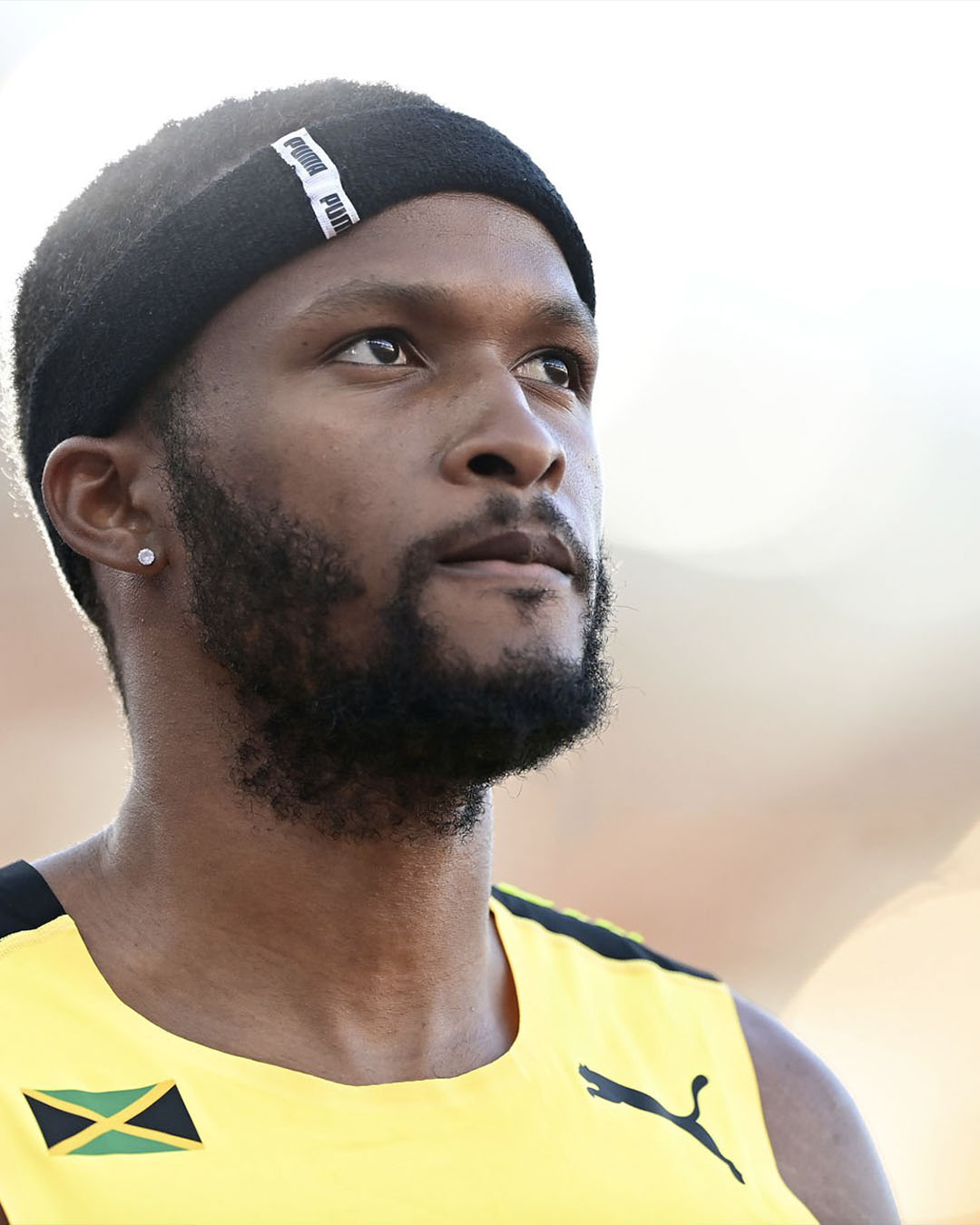
Say “Jamaican athletics” and the world hears one thing: speed. The 100 metres. The 200 metres. The relays. Usain Bolt. Shelly-Ann Fraser-Pryce. Elaine Thompson-Herah. A nation of sprinters. A factory of fast.
And that identity is earned. Jamaica has dominated sprinting at the global level for nearly two decades, producing an embarrassment of riches in the short events that remains the envy of every athletics nation on earth. No argument there.
But here’s the thing about being known for one thing: it makes you blind to everything else. And in Jamaica’s case, the tunnel vision on sprinting has created a gaping hole in our athletics programme — one that costs us medals, opportunities, and relevance in events where we could genuinely compete if we bothered to invest.
Field events. Long jump. Triple jump. High jump. Javelin. Shot put. Discus. The events that happen inside the track, while the cameras wait for the sprints, while the fans scroll their phones, while the federation allocates its attention and resources to the next generation of 100-metre hopefuls.
It’s time to change that.
The Numbers Don’t Lie
Look at Jamaica’s medal haul from the last several global championships. Count the sprint medals. Now count the field event medals. The disparity is stark — and it isn’t because Jamaicans lack the athletic ability for field events. It’s because the system is designed to produce sprinters, and everything else is an afterthought.
Jamaica has the athletic raw material for field events. The explosive power that produces world-class sprinters is exactly the same athletic quality that produces elite long jumpers, triple jumpers, and javelin throwers. Fast-twitch muscle fibre doesn’t care whether it’s propelling a body down a straight track or launching it off a takeoff board. The physical gifts are transferable. The infrastructure and investment are not.
The average Jamaican high school athlete with elite speed will be identified, tracked, and developed through the sprint pathway from their first Champs appearance. The average Jamaican high school athlete with elite jumping ability or throwing potential? They’ll compete at Champs, maybe win a medal, and then… nothing. No structured development programme. No specialised coaching. No clear pathway to international competition. The system catches sprinters and lets everyone else slip through.
What Cuba and the Bahamas Figured Out
Cuba — a nation with a population of 11 million and severe economic constraints — has consistently produced world and Olympic champions in the high jump, triple jump, and discus. This isn’t an accident. It’s the result of deliberate investment in field event coaching, facilities, and athlete identification. The Cuban athletics system treats field events as first-class disciplines, not consolation prizes for athletes who weren’t fast enough to sprint.
The Bahamas, with a population smaller than some Kingston neighbourhoods, has produced Olympic gold medallists across multiple athletics disciplines by refusing to put all its eggs in one event basket. The Bahamian athletics federation invests in whatever its athletes are good at, not just whatever the country is famous for.
These examples matter because they demolish the excuses. If Cuba can produce triple jump champions under economic embargo, Jamaica — with a larger population, a better-funded athletics programme, and a stronger domestic competition structure — has no credible reason for its field event mediocrity. The talent is there. The will is not.
The Coaching Desert
Here’s the root of the problem: Jamaica has a critical shortage of qualified field event coaches. Sprint coaching in Jamaica benefits from a deep bench — multiple world-class coaches with decades of experience, training systems that have been refined over generations, and a competitive ecosystem where coaching quality is constantly tested and improved.
Field event coaching? It’s sparse. Many high school athletes who compete in field events are coached by generalist track coaches who understand the basics but lack the specialised technical knowledge to develop an athlete from talented teenager to international competitor. The technical demands of events like the javelin, triple jump, or pole vault are immense — each event is essentially its own sport, with its own biomechanics, periodisation demands, and technical progressions. A sprint coach who dabbles in long jump coaching is not going to produce a world-class long jumper. Period.
Jamaica needs to invest in coaching education specifically for field events. That means sending coaches abroad for specialised training. It means bringing in international coaches to work with the most promising athletes. It means creating coaching certification pathways that are event-specific, not generic. And it means paying field event coaches enough to make it a viable career, not a side project that supplements their real income from coaching sprinters.
The Facility Problem
You cannot develop javelin throwers without throwing facilities. You cannot develop high jumpers without proper landing areas and approach surfaces. You cannot develop pole vaulters without — well, without poles, a runway, a pit, and a coach who knows how to teach the event safely.
The facilities available for field event training in Jamaica are, in most cases, woefully inadequate. Many high school athletes train on surfaces that would be considered unsafe at an American middle school. Throwing implements are often shared, old, and non-standard weight. Landing areas are worn out. Approach surfaces are uneven.
This isn’t about building a world-class facility in every parish — though that would be nice. It’s about establishing a minimum standard. A proper field event training centre — even just one, centrally located and properly equipped — would transform the development landscape. A place where the most talented young field event athletes could train with specialised coaches on proper equipment, regularly and safely. One facility. That’s the starting point.
The Medal Opportunity
Here’s the pragmatic argument, for those who need one beyond principle. Field events represent some of the most achievable medal opportunities at major championships for a nation like Jamaica. The competitive depth in events like the long jump, triple jump, and javelin is — bluntly — thinner than in the sprints. The margins between a medal and eighth place are smaller. And the physical profiles required are ones that Jamaican athletes already possess.
A Jamaican long jumper with sub-10 speed and proper technical development could challenge for medals at World Championships and Olympics. The speed is already there — speed that most field event athletes in other countries would trade five years of their career for. What’s missing is the technical refinement that turns a fast athlete into a complete jumper or thrower.
Every quadrennial, Jamaica sends a handful of field event athletes to major championships. Most go, compete honourably, and come home without medals. Not because they lack talent, but because they’ve been denied the specialised development that their competitors in other countries received. They’re racing Ferrari engines with bicycle brakes — the power is there, but the control isn’t.
Investing in field events isn’t about abandoning sprinting. Jamaica’s sprint programme is healthy and will continue to produce world-class athletes. This is about addition, not subtraction. About expanding the medal haul rather than relying exclusively on three or four events to carry the entire national programme.
The Identity Expansion
There’s a cultural dimension to this too. Jamaica’s identity as a “sprint nation” is a source of immense pride. But identities can expand without being diluted. Imagine a Jamaica that is known not just for sprinting, but for athletics broadly. A nation that produces champions in the jumps, the throws, and the sprints. That’s not a weaker identity. It’s a stronger one.
The Kenyan model is instructive. Kenya was known for distance running — and it still is. But Kenyan athletics has expanded into sprinting, hurdles, and field events without losing its distance running identity. It just became a more complete athletics nation. Jamaica can do the same.
The Call to Action
To the Jamaica Athletics Administrative Association: invest in field events. Not as a side project. Not as a box-ticking exercise. As a genuine, funded, strategic priority with measurable targets and accountability.
Build one proper field event training centre. Hire or develop five specialised field event coaches. Create a talent identification programme that scouts for jumping and throwing potential as aggressively as it scouts for sprint speed. Set a target for field event representation at major championships that goes beyond participation and aims for podium finishes.
The talent is here. It has always been here. What’s been missing is the decision to develop it. Make the decision. The medals will follow.
Jamaica is more than sprints. It’s time our athletics programme reflected that.